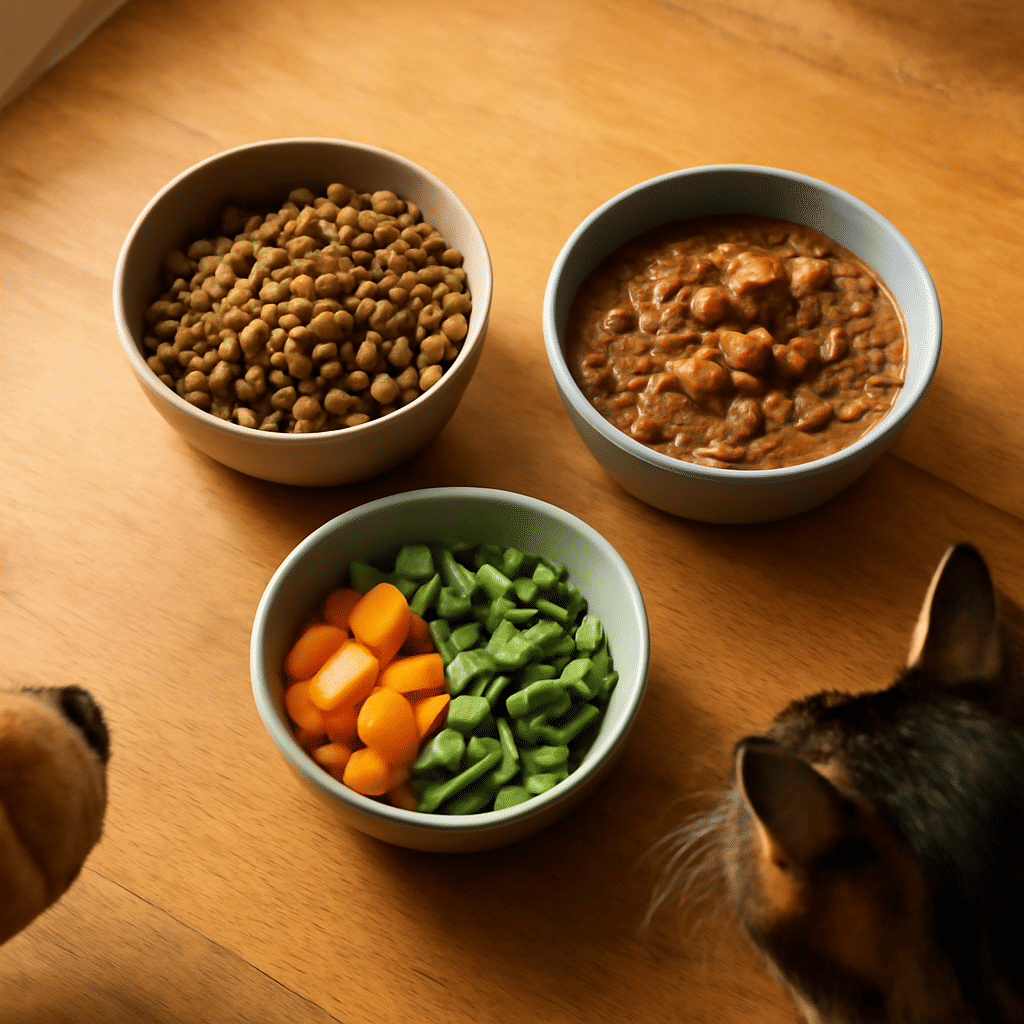
Providing your pet with the right nutrition is essential to their health and well-being. Just like humans, animals require a balanced diet to thrive, which varies according to their species, age, size, and activity level. This guide covers the basics of pet nutrition, helping you ensure your furry friend stays healthy and energetic throughout their life stages.
Understanding Nutritional Needs
Different animals require different nutrients, and even within the same species, nutritional needs can vary. For example, the dietary needs of a puppy differ significantly from those of an adult or senior dog. Similarly, a high-energy working dog will have different dietary requirements compared to a more sedentary house pet. Cats also have specific nutritional needs that differ from dogs, highlighting the importance of species-specific diets.
Essential Nutrients
Every pet's diet should include six essential nutrients: water, proteins, fats, carbohydrates, vitamins, and minerals.
-
Water: Adequate hydration is vital for all pets. Fresh, clean water should always be available to maintain proper physiological functions.
-
Proteins: These are crucial for growth, tissue repair, and maintaining lean muscle mass. Proteins are made up of amino acids, of which certain types must be provided through diet as animals cannot synthesize them on their own.
-
Fats: Essential for energy, absorption of vitamins, and maintaining healthy skin and coat. Fatty acids like omega-3 and omega-6 are particularly beneficial for reducing inflammation and supporting cognitive function.
-
Carbohydrates: While not essential for all animals, carbohydrates can provide a readily available source of energy and help with gastrointestinal health through fiber content.
-
Vitamins and Minerals: These play multiple roles in maintaining health, including but not limited to supporting the immune system, aiding in the development of bones and teeth, and regulating bodily functions. Specific requirements vary between species and life stages.
Life Stage Nutrition
-
Puppies and Kittens: Young animals need more calories and nutrients to support rapid growth and development. Look for diets formulated with higher protein content and balanced minerals to support bone development.
-
Adult Pets: Once they reach adulthood, pets require maintenance diets that support an active lifestyle while preventing overfeeding, which can lead to obesity.
-
Senior Pets: Older animals may need fewer calories as their activity levels decrease. However, their diet should still support joint health and immune function, often through supplements and easily digestible nutrients.
Special Diets
Certain breeds or individual animals may require special diets due to health conditions like allergies, diabetes, or sensitive stomachs. It's important to consult with a veterinarian to determine if specific dietary adjustments are necessary for your pet.
Reading Labels
Understanding pet food labels is crucial when selecting food. Look for high-quality proteins as the primary ingredient and avoid fillers or artificial preservatives. The Association of American Feed Control Officials (AAFCO) provides profiles that can help confirm whether a pet food is nutritionally adequate.
Homemade Diets
Some pet owners prefer preparing homemade meals. If you choose this route, ensure each meal is complete and balanced. Consulting with a veterinary nutritionist is recommended to ensure all your pet's dietary needs are fulfilled.
Regular Check-ups
Finally, regular veterinary check-ups are key to monitoring your pet's health and making any necessary dietary adjustments. Weight monitoring is also essential to avoid obesity, a common issue among pets.
Considering these essential elements of pet nutrition will help keep your furry friends healthy, happy, and full of life throughout their years. Remember, a well-nourished pet is more likely to lead a long and fulfilling life.