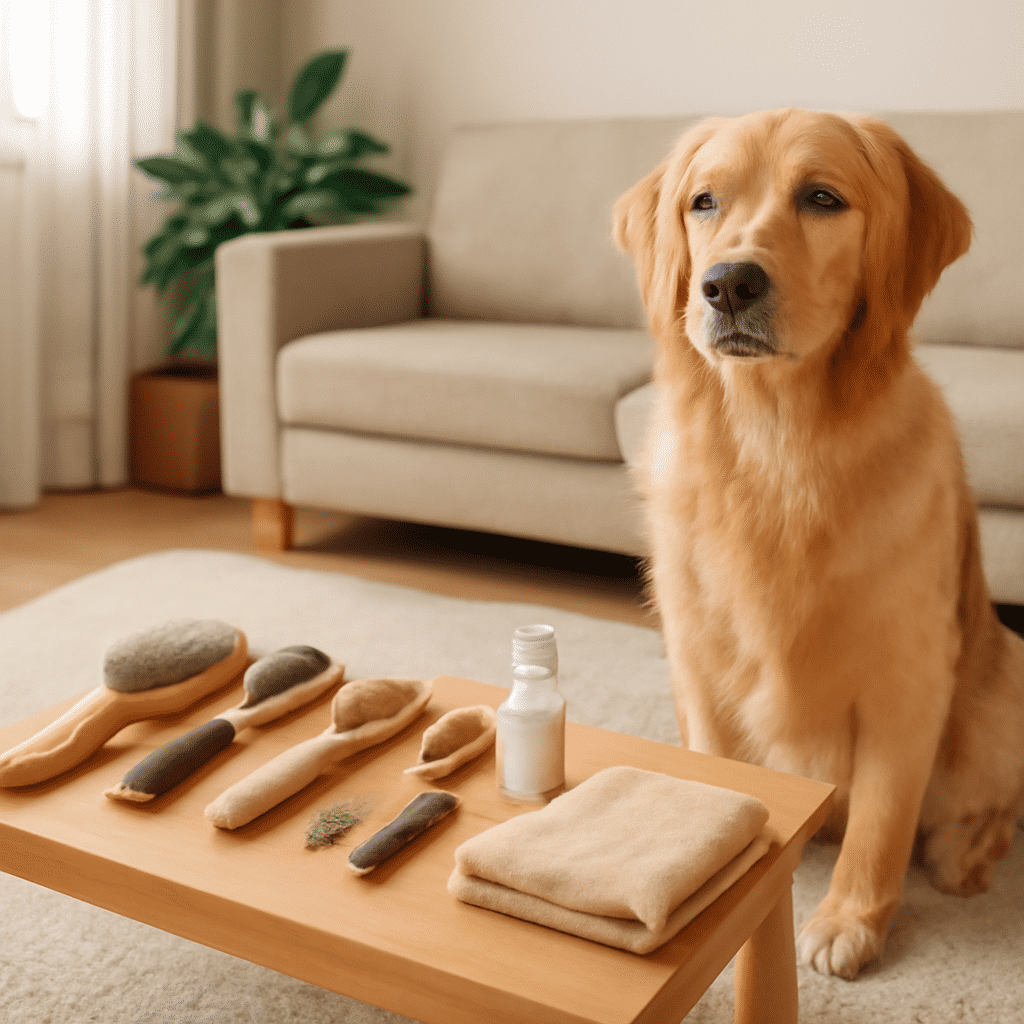
Grooming your pet is an essential aspect of their overall health and well-being. Regular grooming helps prevent health issues, improves appearance, and strengthens the bond between you and your companion. Let's explore some tips to ensure your pet's coat, nails, and ears are maintained in excellent condition.
Coat Care
-
Brushing: Regular brushing helps remove loose hair, prevents matting, and distributes natural oils across your pet's coat, keeping it shiny and healthy. Different pets require different types of brushes, so choose one suitable for your pet’s hair length and type. Short-haired breeds can usually benefit from a bristle brush, while long-haired breeds may require a slicker brush or undercoat rake.
-
Bathing: Depending on your pet's lifestyle and coat type, baths can be given every few weeks. Use a gentle shampoo formulated for pets to avoid skin irritation. Be sure to rinse thoroughly, as any shampoo residue can cause itching or flaking. Remember, over-bathing can strip natural oils, leading to dryness, so find a balance that works for your pet's skin type.
-
Haircuts: Some pets with long coats may require regular trims to prevent tangles and dirt accumulation. Consult a professional groomer if you're unsure about using clippers or scissors safely and effectively.
Nail Care
-
Trimming: Regular nail trimming prevents overgrown nails that can lead to discomfort or injury. If your pet is hesitant, start by handling their paws gently and gradually introduce the trimming process. Use pet-specific nail clippers and be cautious not to cut too close to the quick, which can cause bleeding and pain.
-
Frequency: Trim nails every few weeks, but let your pet's activity level guide the exact timing. Active animals may naturally wear down their nails and require less frequent trimming.
Ear Care
-
Inspection: Regularly check your pet’s ears for redness, dirt, or unusual odors, all of which can be signs of infection. Pets with floppy ears or who swim often need special attention, as trapped moisture can lead to infections.
-
Cleaning: Clean your pet’s ears as needed with a vet-approved ear cleaner. Avoid using cotton swabs, as they can push debris further into the ear canal. Instead, use a cotton ball or pad to gently wipe the outer part of the ear.
-
Professional Check-Ups: Regular visits to the veterinarian can help detect ear conditions early and keep your pet's ears healthy.
General Tips
- Patience and Praise: Build a positive grooming experience and bond with your pet. Offer treats and praise to make grooming a more pleasant experience for your pet.
- Consistent Routine: Establish a regular grooming schedule that suits your pet's needs, adapting as necessary for changes in their age, health, or lifestyle.
- Consult Professionals: If you're uncertain about grooming techniques, a professional groomer can offer advice and care to keep your pet looking and feeling its best.
Incorporating these grooming practices into your pet care routine can contribute to a healthier, happier pet. Regular attention to their grooming needs helps prevent potential health issues and improves their quality of life. With a little time and effort, you can ensure your furry family member looks and feels great.